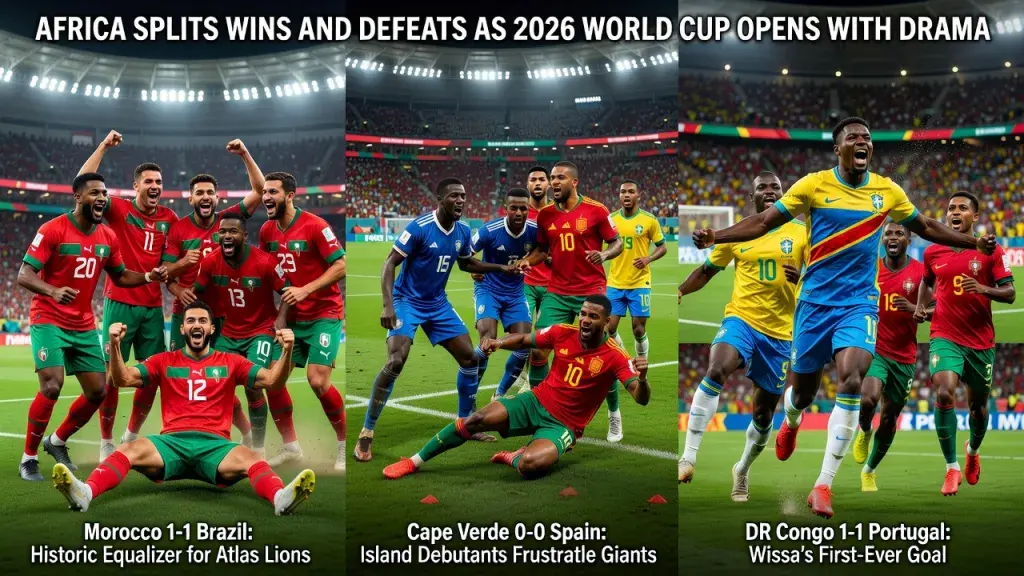
Ten African nations stepped onto the world's biggest stage in the opening round of the 2026 FIFA World Cup, and the continent's mixed but genuinely competitive showing offers plenty of reason for both optimism and concern. Two victories, four draws and four defeats reflect a group of teams that can hurt the best in the world on their day - and still get hurt themselves. The first matchday has already shaped the tactical conversations that will define Africa's knockout-stage hopes over the weeks ahead.
For a tournament that spans multiple host nations and an expanded 48-team format, the opening round always carries disproportionate weight in shaping group-stage momentum. Much of the early discussion has naturally centred on the bigger football narratives, though the breadth of global sporting interest this summer stretches far beyond the pitch - from tennis to motorsport to niche disciplines where fans seek action wherever they can find it, including bandy bets on winter sports markets still running in parallel. But on the football front, Africa's Matchday One delivered genuine storylines worth examining closely.
The Standout Results: Morocco, Cape Verde and DR Congo Make Their Mark
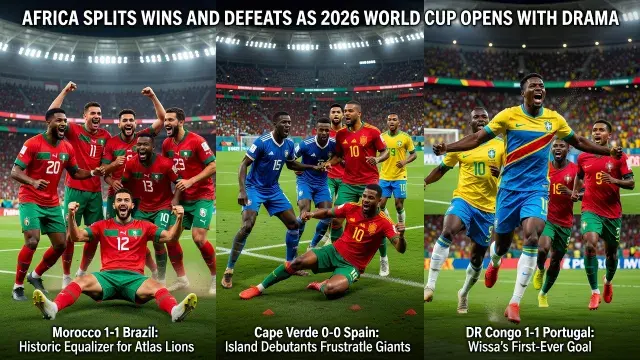
Morocco's 1-1 draw against Brazil was the result that will generate the most column inches. The Atlas Lions, who reached the semi-finals of the 2022 World Cup in Qatar, showed once again that they are no longer a team content to simply compete against the elite - they expect to beat them. Holding a five-time champion to a share of the spoils in a group opener is a statement of genuine quality, and it sets up Morocco's remaining Group C fixtures with real expectation behind them.
Cape Verde's goalless draw against Spain was arguably the most surprising result of the round. The island nation, appearing at their first-ever World Cup, frustrated a former world champion for the full ninety minutes to claim a historic point. It is the kind of result that reverberates: a team of largely lower-league and mid-table European professionals holding their nerve against technically superior opposition and refusing to buckle. DR Congo added further African distinction to the opening round, with Yoane Wissa scoring the Leopards' first-ever World Cup goal in a 1-1 draw against Portugal. For a nation returning to the tournament after a 52-year absence, the significance of that moment goes well beyond the single point collected.
Ghana and Ivory Coast Take the Wins Africa Needed
Ghana's 1-0 victory over Panama in Group L and Ivory Coast's 1-0 win against Ecuador in Group E gave Africa two clean, professional victories. Neither was a procession, which is fitting - results at this level rarely are - but both teams did what was required and banked three points that immediately shift the weight of expectation in their respective groups. Ghana now face England in what shapes up as one of the more compelling second-round fixtures involving an African side. Ivory Coast, meanwhile, carry the momentum of a winning start into a showdown with Germany, a fixture that will test the Elephants' credentials more severely than Ecuador did.
Egypt's 1-1 draw with Belgium deserves credit too. The Pharaohs demonstrated the defensive organisation and collective discipline that has become a hallmark of their recent tournament football, and a point against a strong European side could yet prove decisive when the group table is settled.
South Africa, Senegal, Algeria and Tunisia Must Respond Quickly
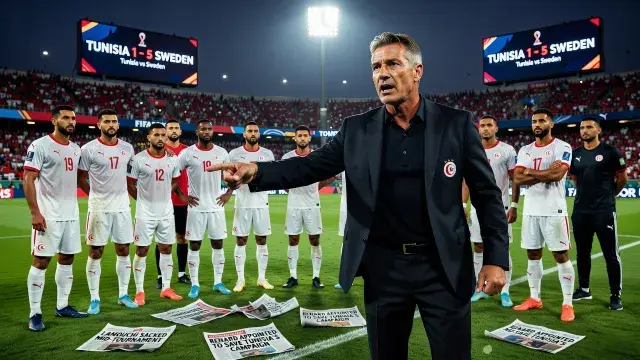
The other half of Africa's opening round was considerably harder. South Africa's 2-0 loss to hosts Mexico, Senegal's 3-1 defeat to France, Algeria's 3-0 reverse against defending champions Argentina, and Tunisia's heavy 5-1 defeat to Sweden all leave their respective campaigns in genuine jeopardy before they have properly begun. For Bafana Bafana, losing to the host nation in the tournament opener in front of a partisan crowd was always going to be difficult, but the margin leaves them needing at minimum a win against Czechia to stay alive. Senegal showed encouraging spells against France but were ultimately unable to contain the French attack across ninety minutes. Algeria and Tunisia, meanwhile, must absorb difficult evenings quickly - Algeria face Jordan next, while Tunisia meet Japan, both fixtures that become near-mandatory wins.
What Matchday One has confirmed is that African football in 2026 occupies a broad spectrum: capable of frustrating Brazil and Spain, but also vulnerable when exposed at the highest level. With the expanded format giving more teams a realistic route to the round of 32, every point in these early fixtures carries genuine weight. The continent's six best-positioned sides - Morocco, Ghana, Ivory Coast, Egypt, Cape Verde and DR Congo - will head into Matchday Two knowing that one more positive result could make qualification a serious conversation. For the four teams who stumbled, the margin for error has already narrowed considerably.